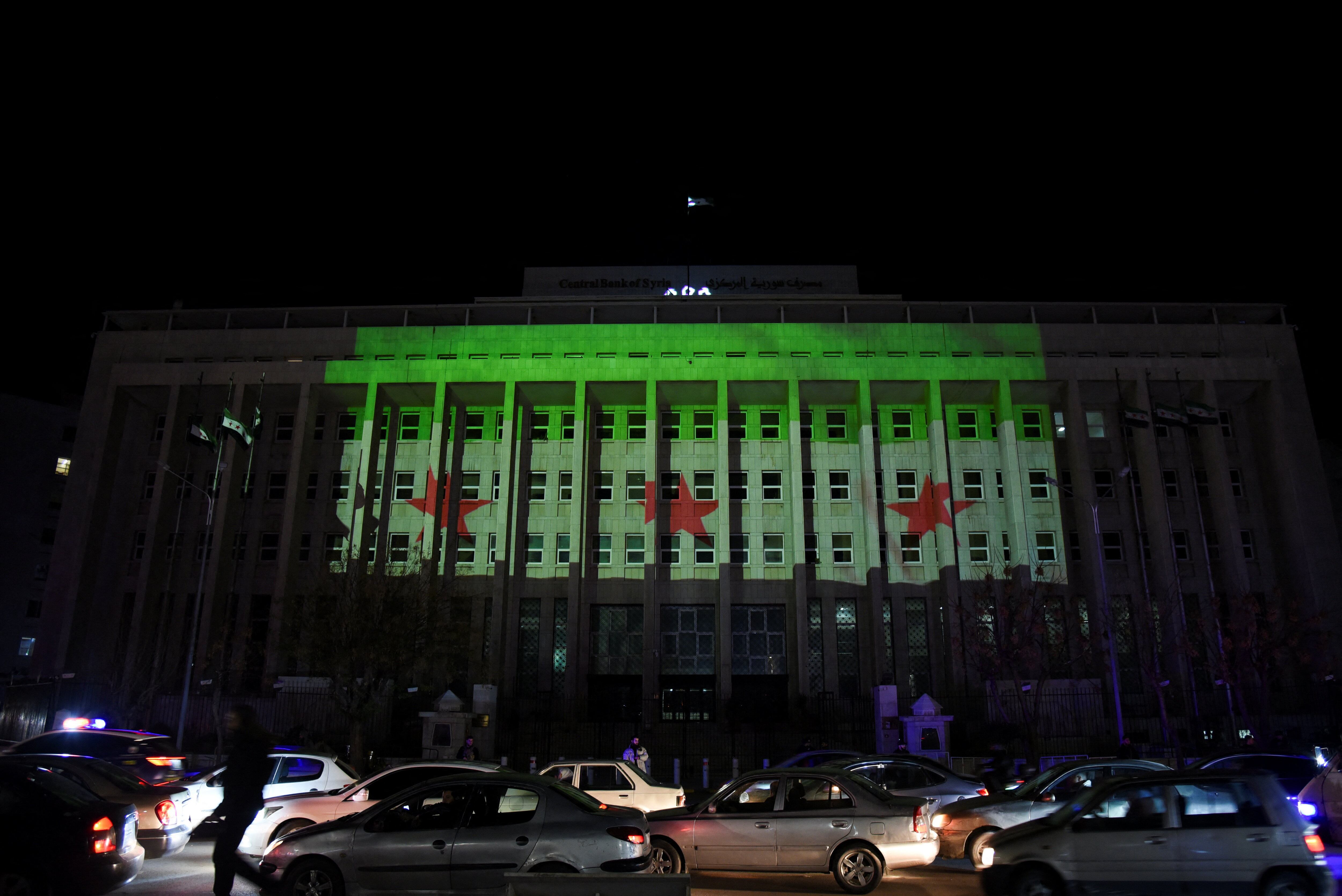
Central Banks Meet in Damascus
Syria's central bank hosted a technical delegation from Turkey's central bank in Damascus on 28 July 2026 to advance work on shared financial infrastructure. The two sides examined how to modernize payment systems and the technical steps needed to open a working account between the two institutions.
The Syrian central bank described the visit as a follow-up to earlier official meetings, intended to turn prior understandings into practical measures.
Linking the Payment Systems
Discussions focused on developing and modernizing payment systems and the underlying financial infrastructure, along with the mechanisms for connecting and technically integrating the systems each bank already uses. The stated aim is to raise the efficiency of payment services and financial settlements and to align them with international practice.
A Joint Central-Bank Account
The delegations reviewed the technical aspects of opening an account between the two central banks. The account is meant to support bilateral banking ties and to ease financial transactions linked to trade and economic cooperation between Syria and Turkey, within existing legal and regulatory frameworks.
Rebuilding direct banking channels matters for cross-border payments, which have long been complicated for Syrian traders and expatriates.
Digital and Institutional Cooperation
The talks also covered cooperation in digital transformation and information security, the exchange of technical expertise, and institutional capacity building. The central bank framed these efforts as part of a wider push to modernize the country's financial and banking sector.
Why It Matters
Restoring correspondent-style links between the two central banks is a building block for settling trade in an orderly way and for reconnecting the country's banking system to regional partners. Aligning payment services and settlements with international practice is part of a broader effort to modernize a financial sector long cut off from global banking channels.
The meeting produced a work plan rather than a signed agreement, leaving the timeline for a live account and integrated payments still to be set.