Fares Rise 15 to 20 Percent
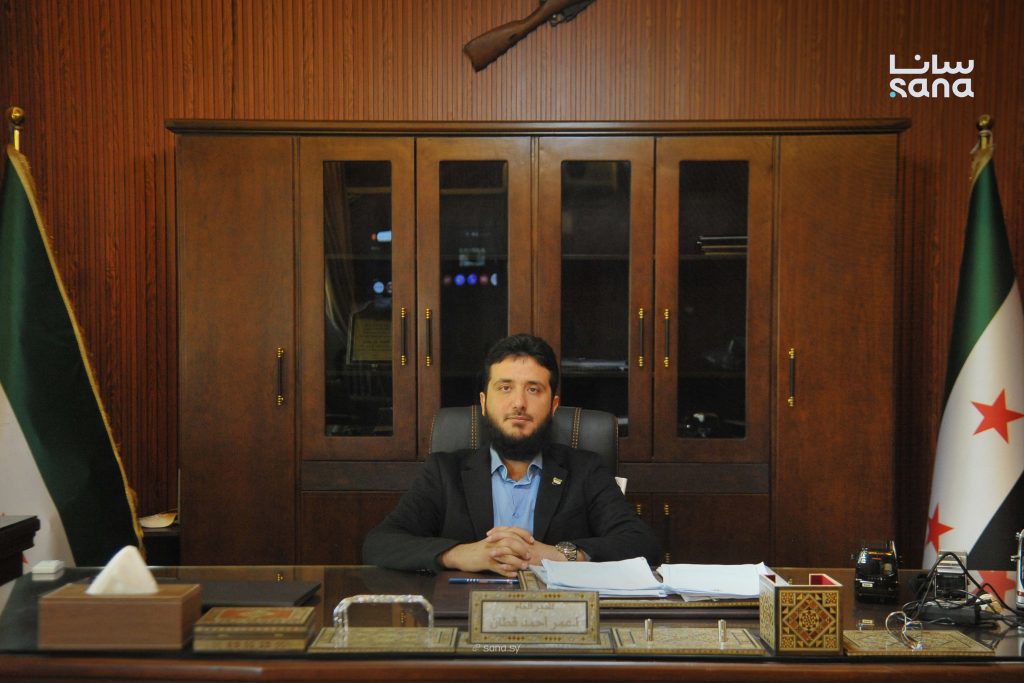
Syria's public passenger transport authority has set new fares for internal urban routes, raising the price of a ride by between 15 and 20 percent. The authority's director, Omar Qattan, set out the reasoning behind the adjustment in remarks on Thursday, 21 May 2026.
The increase applies to internal transport microbuses and buses operated by investment companies, the network most residents rely on for daily travel within Syrian cities. For commuters, the change is a direct addition to a recurring household expense.
The authority is responsible for organizing the internal transport sector and modernizing its services, including running public buses, setting ride fares, and overseeing the various forms of paid transport.
Tied to Fuel and the Pound
Qattan said the new fare followed an integrated study built on several criteria: fuel prices, the difficulty of each route, its length in kilometers, and the rate at which vehicles need maintenance or replacement. He said fares are revised in both directions whenever fuel prices move, with the size of each change linked to the scale of the fuel-price shift.
The exchange rate of the Syrian pound (SYP) against the US dollar (USD) also feeds into the calculation, because it shapes the cost of imported spare parts, maintenance, and fuel itself. The stated goal is a fare that is fair to both passengers and drivers rather than favoring one side.
Approved Province by Province
Fare changes are not decided centrally. The authority's studies directorate prepares a proposed tariff, which is then sent to a dedicated committee in each Syrian governorate to study and approve.
The governor of each province then ratifies the fare in a separate decision. As a result, the final figure can differ from one governorate to another rather than applying as a single national rate.
Monitoring and Complaints
The authority said it keeps permanent monitors on transport routes and inside the depots used by microbuses and internal buses, checking whether operators charge the approved fare set by each governor's decision.
In Damascus, an integrated complaints application named "Mahlola" has been activated to receive grievances of all kinds, including poor service and fare overcharging. Other governorates are preparing similar applications so passengers can report violations.
The arrangement is meant to give passengers a formal channel to challenge fares and follow up on their complaints rather than leaving them unresolved.