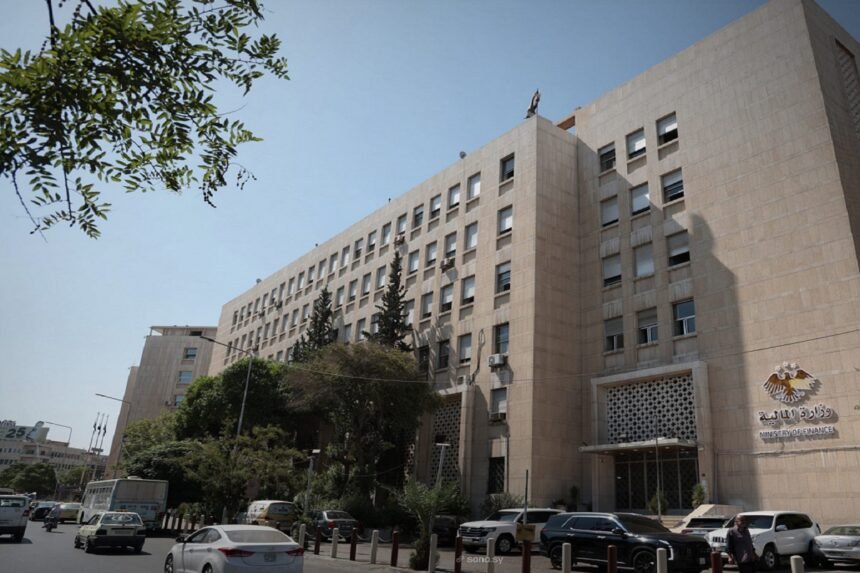
Sukuk Plan and Tax Overhaul
Syria's Finance Minister, Yisr Barnieh, said the government is finalizing the legal, regulatory and technical framework needed to launch the country's first sovereign sukuk issuance, a step intended to deepen Islamic finance and broaden funding sources for the state. He paired the announcement with a decision to cut the corporate income tax from 28 percent to under 15 percent.
The minister said the ministry is not pursuing higher tax rates to lift revenue. Instead, it plans to widen the tax base and tighten compliance, noting that many high-income earners and professionals have historically escaped actual collection. The combined message is that the government wants to draw activity out of the informal economy rather than squeeze existing payers harder.
Exemptions Reset Around the Wage Earner
The minister said personal exemptions have been recalibrated to a combined ceiling of 64 million Syrian pounds (SYP). The ceiling is built from a 50 million pound basic exemption, 6 million for dependents, and 8 million reserved for living and medical costs. The structure is intended to shield ordinary salaries from the new collection effort while concentrating liability on higher incomes.
From Consumption Tax to a 5 Percent Sales Levy
Syria has begun a gradual shift away from its consumption-based duty toward a simplified sales tax set at 5 percent. Officials describe the change as a transitional step ahead of a future value-added tax, with a flatter rate intended to ease compliance for small businesses while a permanent VAT framework is prepared.
World Bank Financing Package
The minister said the World Bank has approved the first two projects under its renewed engagement with Syria, covering the health and water sectors, with a combined value of $225 million. Another 11 projects worth roughly $1.4 billion are under study and would extend financing across additional service ministries.
The package runs in parallel with the domestic revenue overhaul, providing concessional external money to rebuild basic services while the tax architecture is reset to attract private capital.
Signal to Investors
Taken together, the sukuk preparations, the corporate rate cut and the broader exemption ceiling are positioned as a signal to foreign and domestic investors that Syria intends to compete on tax and to introduce sovereign Islamic instruments for the first time. The minister did not give a target date for the inaugural sukuk auction, leaving the size and tenor of the first issuance open.