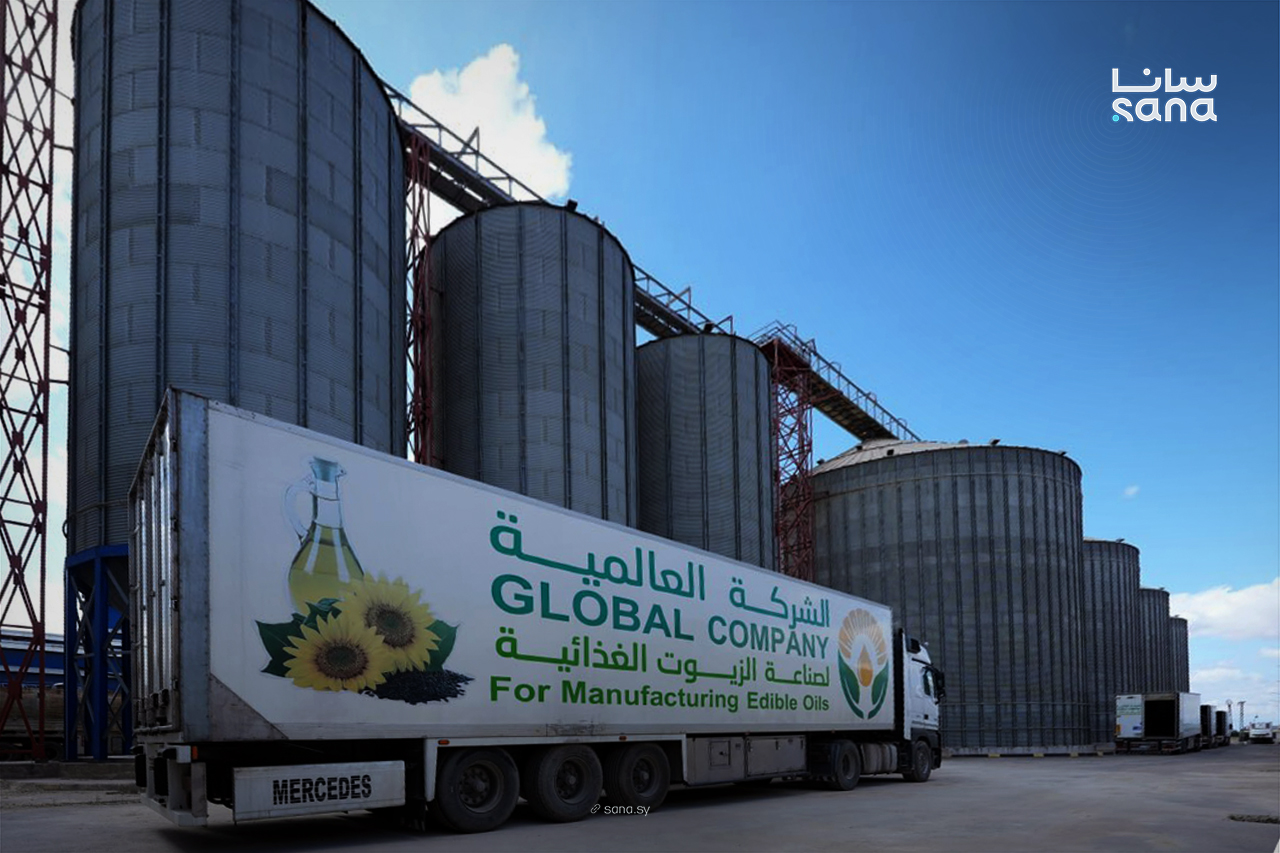
State Fund Backs Hama Plant
Syria's Sovereign Fund is channeling state-owned assets into a major expansion of the Al-Alamia edible-oil plant in Hama, a project it describes as central to strengthening domestic industry and meeting local market demand. The fund keeps ownership of the asset while an outside operator runs day-to-day production.
The plant currently refines 100 tons of vegetable oil a day. Under the plan, that output is set to rise sharply over the next several years.
Capacity Set to Triple
Daily refining capacity is scheduled to reach 150 tons in 2027, a 50 percent increase on the current level, and to climb to 300 tons — three times today's output — in a later phase. The plant draws its raw materials from the global market and refines them for domestic sale.
Beyond refining, the facility is to crush soybeans into crude oil and soybean meal used in animal feed. Preparations are planned to process 1,000 tons of soybeans a day from the start of 2029. Once fully equipped, it is expected to handle about 300,000 tons of soybeans and 100,000 tons of crude sunflower oil a year.
Turkish Operator, $80 Million Deal
Operation and management of the plant fall to a Syrian arm of the Turkish Teriaki Agro group, which trades and processes agricultural goods and runs supply chains under the Teriaki Anadolu umbrella established in 2023. The group cites more than 60 years of experience in the sector.
The arrangement stems from a strategic cooperation agreement announced on 12 June 2026, valued at $80 million (USD) over 10 years and aimed at operating and developing the Hama plant.
Local Supply and Jobs
The fund's food-sector director said the project will lift the plant's workforce from 150 to 250 positions in stages, with a requirement that Syrian nationals make up no less than 75 percent of staff across technical and administrative roles, alongside training programs intended to let Syrian personnel gradually run and market the operation.
Officials expect the expansion to benefit consumers through larger supplies of locally refined oil and soybean meal, to preserve and expand existing jobs, and to support farmers, food manufacturers, and the feed and poultry sectors by creating steady demand and encouraging domestic soybean cultivation.