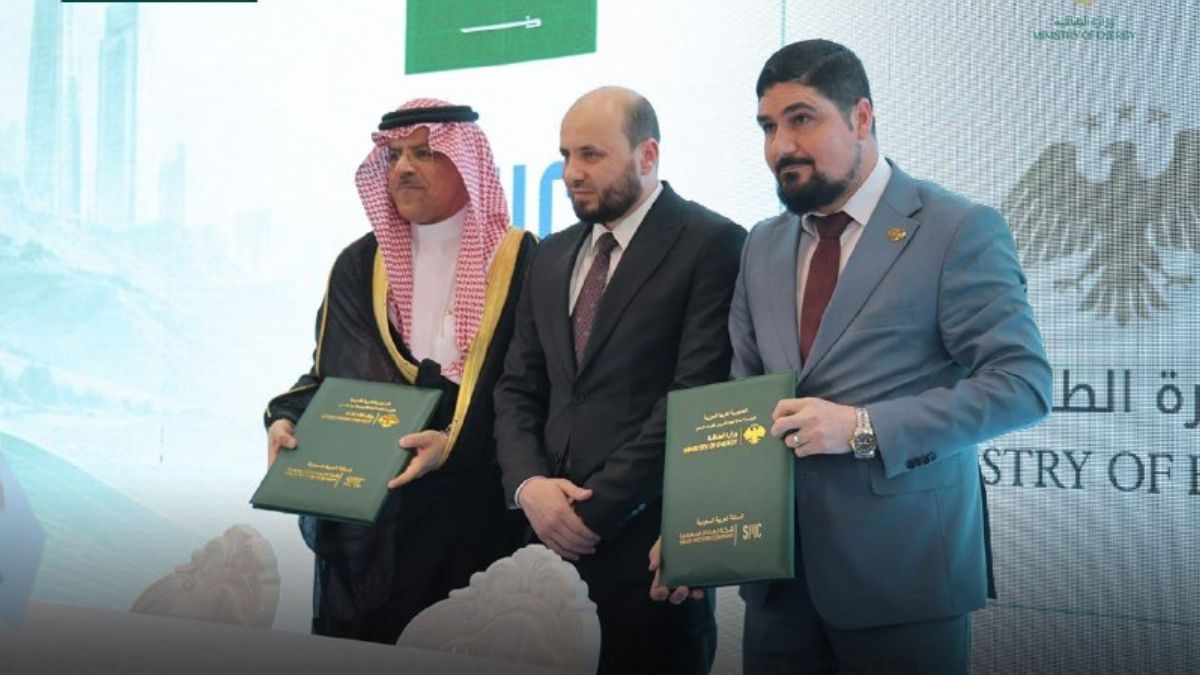
Saudi Deal Signed in Damascus
Syria's General Establishment for Drinking Water and Sanitation signed a contract on 14 June 2026 with a Saudi manufacturer to supply and install 5 million prepaid smart water meters. The agreement provides for nationwide deployment over several years and was concluded with one of the region's oldest specialist meter producers, founded in 1981.
The contract was signed by the establishment's director general, Taher al-Omar, and the supplier's board director, Turki al-Amri. Officials said the company was chosen on its manufacturing record, its installed base in other countries, technical specifications, and price.
Five Million Meters, Phased Rollout
The deal covers 5 million meters, a volume officials said exceeds the current number of subscribers and accounts for projected population growth. Installation is planned in stages over a period described as four to five years, paced to the readiness of water and telecommunications networks across the provinces.
About 300,000 meters are scheduled for installation in 2026, beginning in several governorates selected under defined criteria. The supplier is to handle delivery and installation, with the work sequenced province by province as each network becomes ready to connect.
Ultrasonic Prepaid Technology
The meters rely on ultrasonic measurement and carry an advanced digital tracking system that allows accurate, real-time readings of consumption. They operate on a prepaid basis, shifting households from paper billing to paying in advance for the water they use.
Cutting Losses and Paper Bills
Energy Minister Mohammad al-Bashir called the agreement a pivotal step in modernizing the water sector and moving toward a more accurate and transparent system. He said smart meters help "control losses, improve billing procedures, reduce paper burdens" and allow faster detection of network faults.
Modernizing the Water Network
The rollout forms part of a wider program to upgrade measurement and control, raise operating efficiency, and distribute water more fairly. Authorities said the project would also include training national technical staff to handle installation, operation, and maintenance.