A National Energy Blueprint
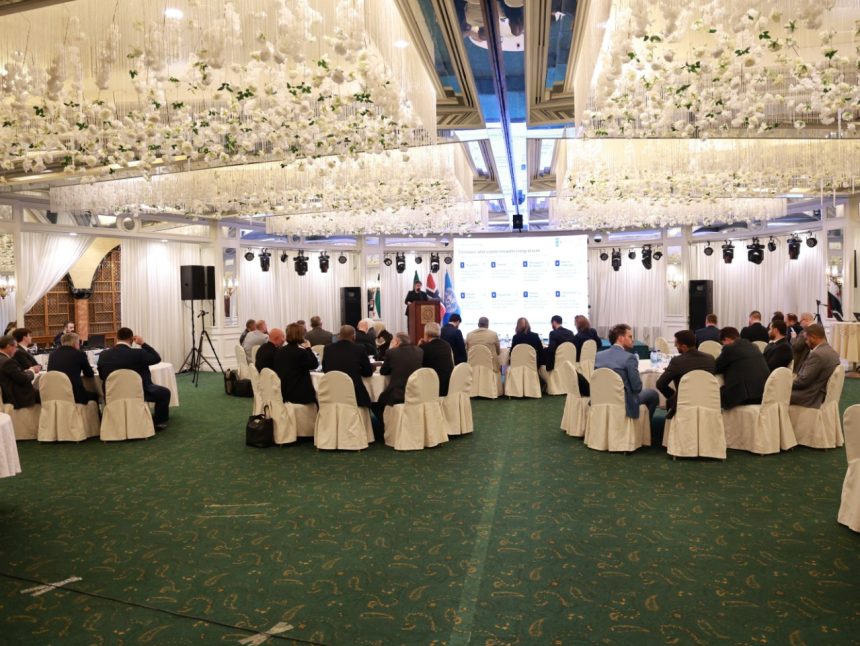
Syria's Ministry of Energy launched a national master plan for developing the renewable energy sector at an event in Damascus on 23 November 2026. The plan was prepared in cooperation with the government of Norway and the United Nations Development Programme (UNDP), and is intended to set sector priorities and guide future investment in clean power.
Officials said the plan will be integrated into the country's wider national electricity plan, with national institutions responsible for turning its recommendations into implementable projects.
Norwegian and UN Partnership
The master plan grew out of a framework agreement signed between Norway and UNDP in May 2025, under which the document was to be prepared within 12 months. A consultancy presented the plan's outputs and recommendations alongside the ministry, covering the current state of the sector, its challenges and the priorities for expanding renewable projects.
The launch was attended by Deputy Minister of Energy for Planning and Institutional Excellence Ibrahim al-Adhan, Norwegian Ambassador to Damascus Hilda Haraldstad, and UNDP Resident Representative in Syria Melanie Hauenstein, together with Foreign Ministry adviser Talal Kanaan and the ministry's director of international cooperation, Firas Kardoush.
Solar, Wind and Biomass
The plan's scope includes studying future energy demand, the share that renewable sources could cover, and the legislative and regulatory frameworks needed to support them. It also assesses financing and technical requirements and the potential of solar, wind and biomass generation.
The document is to be updated periodically by national institutions as data and conditions evolve.
Data and Capacity Priorities
Among the stated requirements for implementation are building a unified national energy database, developing the technical skills of national staff, and strengthening planning tools and technical cooperation.
Priorities for the coming phase include launching a national program to create a unified energy data platform and expanding local capacity in planning and technical analysis.
Return to Global Energy Forums
The launch follows renewed engagement with international energy bodies. For the first time since joining the International Renewable Energy Agency (IRENA), the country took part in the agency's 32nd Council meeting, held in Abu Dhabi on 22 October 2026.