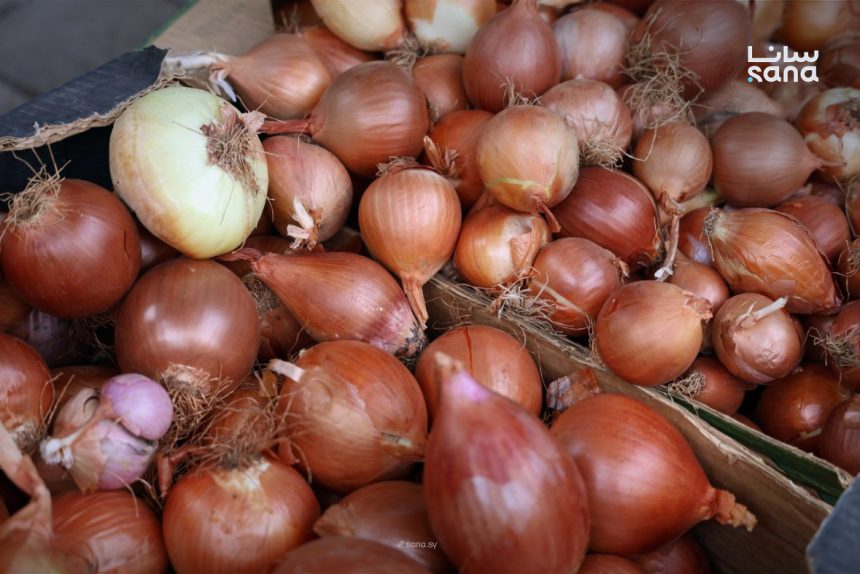
Import Ban Through Year-End
Syria's National Committee for Import and Export has barred imports of all onion types and varieties under a decision issued on 18 November 2026. The measure took effect immediately on issuance and runs through 31 December 2026.
The restriction covers every variety of onion and coincides with a large domestic harvest and the start of the winter planting season, leaving the local market to absorb homegrown supply without competing imports for the remainder of the year.
Output Above Demand
The Ministry of Agriculture estimated this year's onion output at approximately 177,972 tons, roughly 28% more than local demand. The crop was grown on about 8,475 hectares.
The reported surplus accompanies the decision to halt imports, and officials have pointed to the gap between production and consumption as the market reality shaping supply in the weeks ahead. Specialized committees are watching how the volumes move through the trade.
Two Growing Seasons
Onions are cultivated in two cycles. The winter crop accounts for about 35% of annual production and the summer crop for roughly 65%.
Farmers in several governorates have already begun planting the winter crop for the current season. Those plantings will add to the volumes expected to reach markets in the coming months, reinforcing the case for keeping imports out while local supply remains ample.
An Idle Drying Plant
An agricultural expert said the surplus should be managed through drying and processing rather than sold only as fresh produce. A drying facility in Salamiyah, currently out of operation, could absorb large quantities, limit price declines for growers, and open the door to exports.
The plant once processed thousands of tons a year, and returning it to service was presented as a way to convert a seasonal glut into storable, exportable stock rather than letting prices slide at harvest.
Watching the Markets
The Ministry said it tracks supply through specialized committees at the Al-Hal wholesale markets, where prices and availability are monitored. With a sizable surplus and new winter plantings on the way, the balance between protecting growers' returns and keeping onions affordable for consumers is set to remain in focus through the end of the year.