Immediate Import Halt
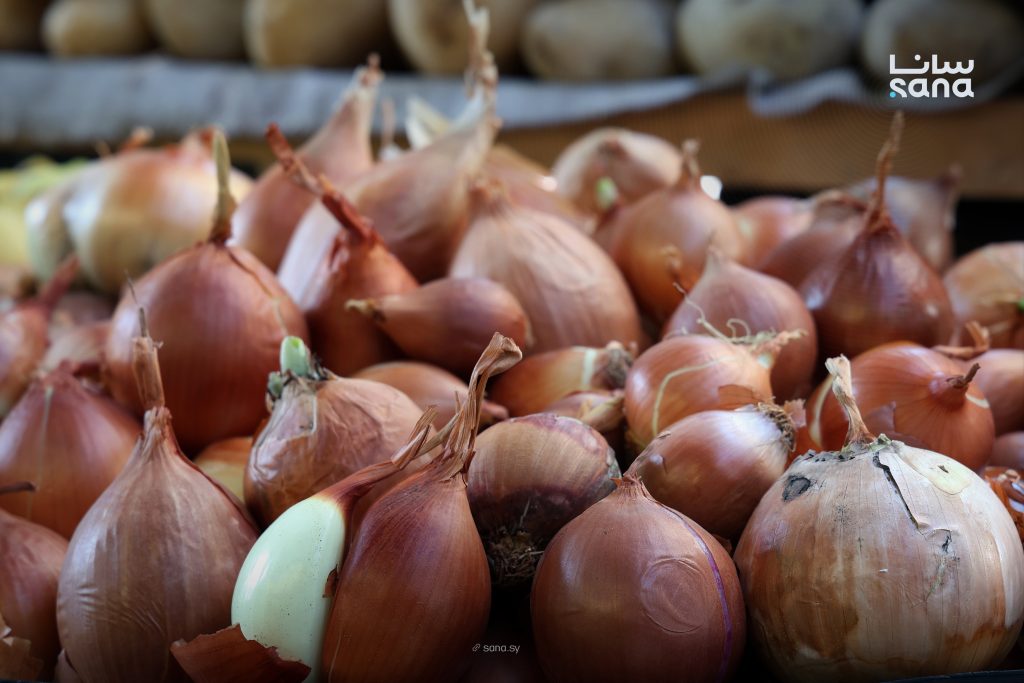
The national body overseeing imports and exports issued Decision No. 16 of 2026 on 18 November 2026, barring the import of onions of all types and varieties. The ban takes effect from the date the decision was issued and runs until 31 December 2026.
The prohibition is written as a blanket one, covering every kind and grade of onion, with no transitional or grace period before it applies.
Legal Basis
The measure was grounded in Decree No. 107 of 2026, which defines the committee's mandate and sets out its tasks and powers over the movement of cross-border trade. The decision cited the requirements of the public interest as the ground for acting on this commodity now.
Shielding Local Growers
The stated aim is to protect domestic agricultural output and support farmers by regulating the flow of imports. Officials framed the step as a way to achieve balance in local markets, weighing the needs of consumers against the interests of producers.
The committee says it manages trade in line with supply and demand, setting controls meant to prevent both the dumping of goods and shortages, so as to keep prices steady and protect the different parties to the economic process.
Customs to Enforce
The General Directorate of Customs was tasked with taking all steps needed to apply the decision from the date of its issuance. That places enforcement of the onion ban at the country's borders and customs clearance points.
Part of a Wider Pattern
The onion ban follows a similar move earlier in the month. On 8 November 2026 the same committee barred the import of oranges of all kinds, with that ban running from 11 November 2026 through 31 March 2027.
Taken together, the two decisions point to a tightening of controls on imported produce as the body leans on trade rules to steer the domestic market toward local supply.