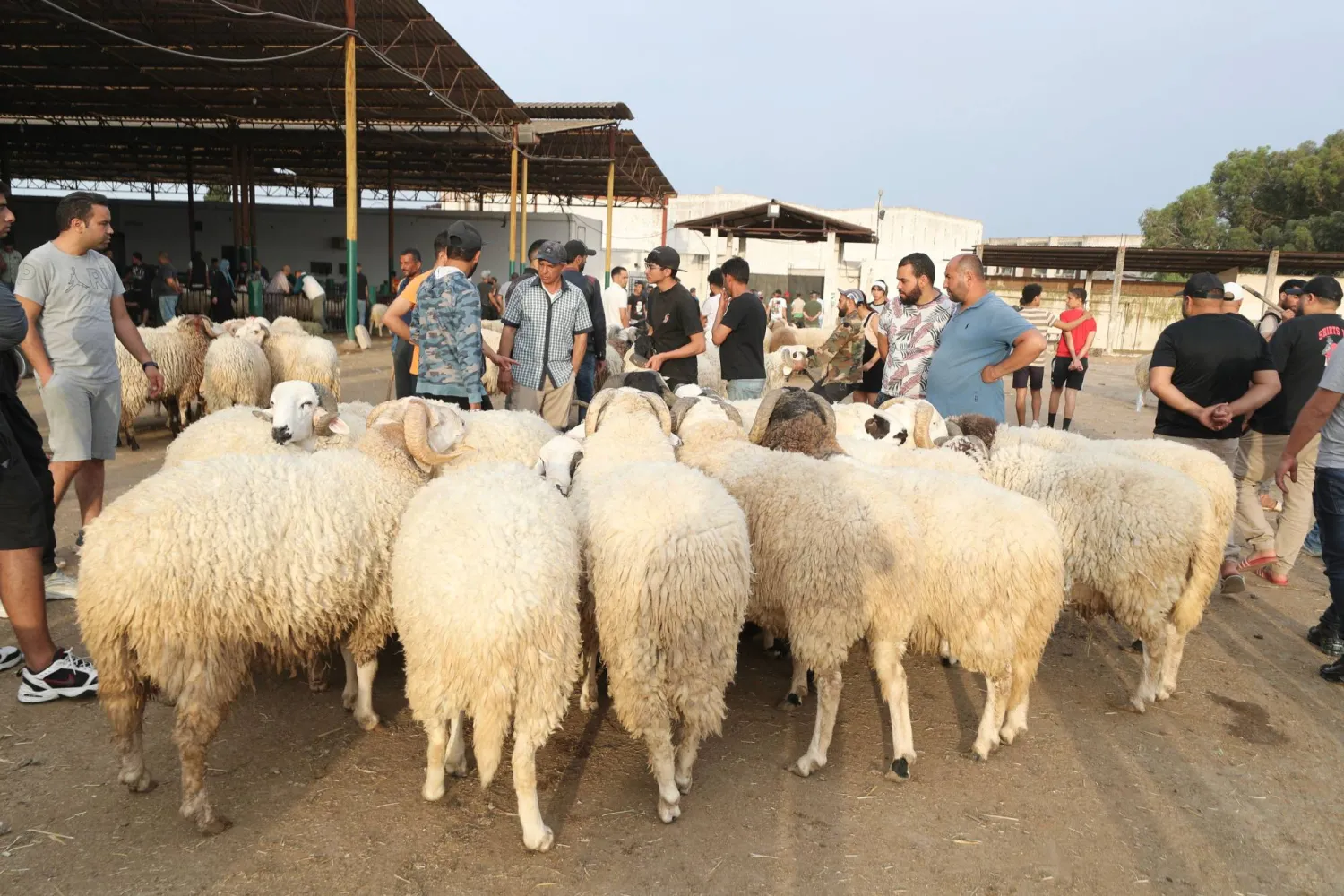
Prices at the Sacrifice Markets
Livestock prices in Hasakah province climbed sharply ahead of Eid al-Adha 2026, with sheep offered from 4 million Syrian pounds (SYP) and reaching 6 million, rams quoted between 8 and 10 million, and premium Harji rams hitting 20 million pounds. Cattle prices ranged between 27 and 34 million Syrian pounds per head, according to figures circulating in the markets on 13 May 2026.
The current floor compares with last season's distressed range of 1 to 2 million Syrian pounds per sheep, when a severe drought forced breeders to liquidate stock at a discount.
Pastures and Feed Costs
Traders linked this year's surge to improved pasture conditions after a more generous rainfall season, which lowered feed bills for herders and removed the pressure to dump stock cheaply. With fodder costs easing, sellers have been able to hold out for higher prices rather than absorb a forced markdown.
The supply side, in other words, is healthier than it has been in years, even as the headline prices look unreachable for many households.
Weak Demand
Market trader Abdullah al-Khalf described "weak buying compared to previous years," pointing to households scaling back or skipping the sacrifice entirely. Trader Khalid al-Muttar said that Harji rams in particular were trading at a premium because of external demand from Gulf buyers, not local appetite.
The contrast is sharp: prices set by export-grade animals are pulling the market upward at a moment when domestic purchasing power has shrunk.
The Market Paradox
Economist Firas al-Hamad framed the season as a paradox in which two opposing forces meet at the same auction pen. Breeders are benefiting from cheaper inputs and stronger export pull, while consumers face quoted prices well above what their wages can support.
The result is a market in which sellers are richer on paper, sales volumes look thin on the ground, and the Eid ritual itself becomes a measurable indicator of how far the cost of living has moved.