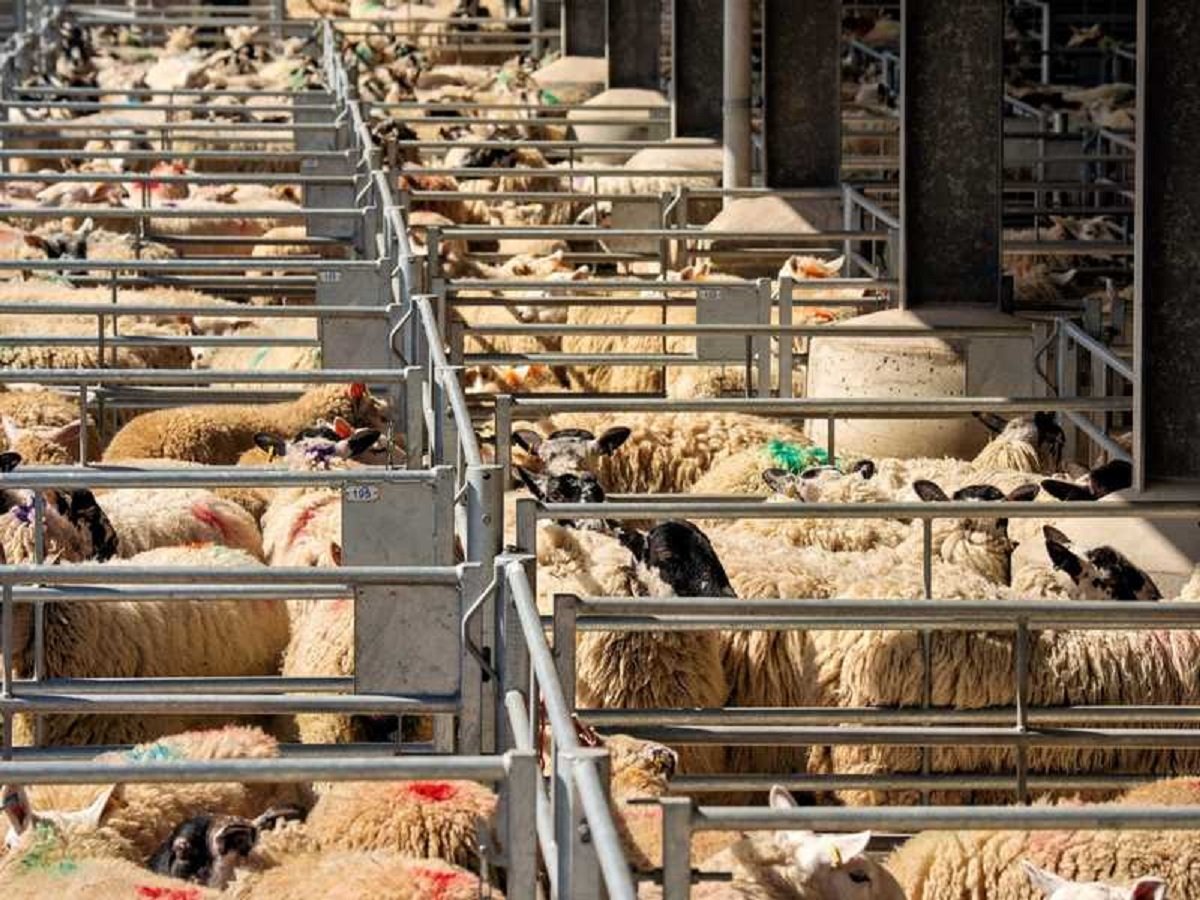
Customs Authority Rejects Outbreak Reports
Reports circulating about an outbreak of foot-and-mouth disease (FMD) among livestock in Syria are inaccurate and not backed by any official record, the country's General Authority for Border Crossings and Customs said on 23 May 2026. Public relations director Mazen Alloush said no veterinary report has confirmed a spread of the disease in Syrian herds.
The denial follows a decision by Iraqi authorities to halt live-animal transit from Syria over FMD concerns. Alloush said the matter is being handled directly with Iraq's Ministry of Agriculture to resolve any technical issues at the border.
Exports Continue via Jordan and Ports
Syrian live-animal exports are continuing normally despite the Iraqi decision, Alloush said, with shipments still moving through the Jordanian border crossings and out of Syria's Mediterranean ports. He stated that no importing country or competent veterinary authority has raised health objections to recent consignments.
The customs authority maintains ongoing coordination with the Iraqi side to address any inspection or documentation issues raised at the land border, the official added.
Pressure to Divert Transit Routes
Alloush pointed to what he described as efforts by external parties to redirect regional transit away from Syrian territory. He said some actors stand to benefit from weakening cross-border trade and transport flows through Syria, and that the authority is working with the relevant Syrian agencies to prevent unjustified measures that could harm breeders, traders or freight operators.
Eid Timing Raises the Stakes
The Iraqi pause comes during the run-up to Eid al-Adha, which falls on Wednesday 27 May 2026, when seasonal demand for sacrificial sheep across the region peaks. Any prolonged delay at land crossings can leave consignments stranded en route and push producers to absorb higher feeding and trucking costs while shipments wait at the frontier.
The authority's confirmation that maritime and Jordanian routes remain open is the operationally significant takeaway for exporters whose consignments are still in motion this week.