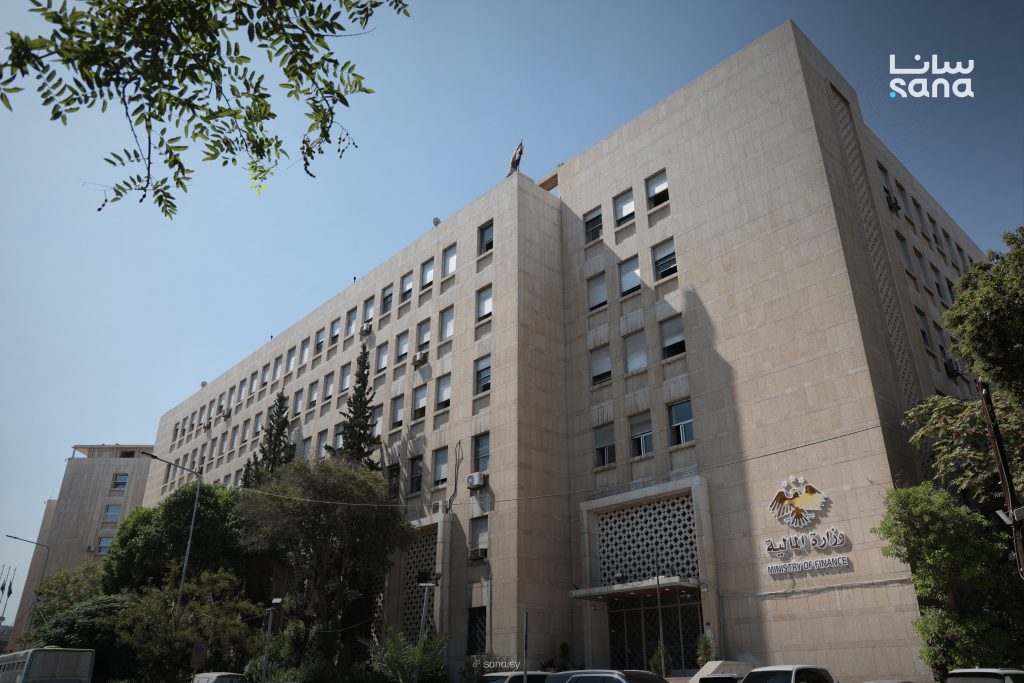
Circular to State Banks
Syria's finance minister issued a circular on 26 November 2026 to the directors general of the country's public banks, instructing them to limit precautionary asset seizures linked to defaulting borrowers to the categories already defined in law. The stated aim is to keep enforcement within its legal bounds and to ease the position of borrowers caught by its broader application.
Precautionary attachment allows a bank to freeze a debtor's property before a final judgment. The circular narrows who can be swept into that process when a loan goes unpaid.
End to Fourth-Degree Seizures
Until now, precautionary attachment could reach the movable and immovable property of a defaulter's relatives as far as the fourth degree of kinship. The circular ends that reach, confining seizures to the scope set by Legislative Decree No. 12 of 1952, as amended by Legislative Decree No. 177 of 1969.
The measure is presented as a correction that spares relatives who bore the cost of debts for which they were not responsible.
Six Public Banks Covered
The instruction applies to all six state-owned lenders: the Commercial Bank of Syria, the Real Estate Bank, the Popular Credit Bank, the Agricultural Cooperative Bank, the Industrial Bank, and the Savings Bank. Their managements were directed to review the circular and comply with its terms.
Legal Review Behind the Move
The circular rests on a letter from the General Secretariat of the Presidency and on findings from two oversight bodies, the Central Authority for Control and Inspection and the Central Financial Control Agency, which had been asked to review how precautionary attachment was being applied to loan files.
Wider Push on Bad Loans
The step follows a broader effort to address non-performing loans at government banks. On 2 September 2026, the minister announced a specialized advisory committee to study the state of defaulted loans and propose legal and practical remedies that recover public money while easing pressure on borrowers through incentive programs and exemptions.