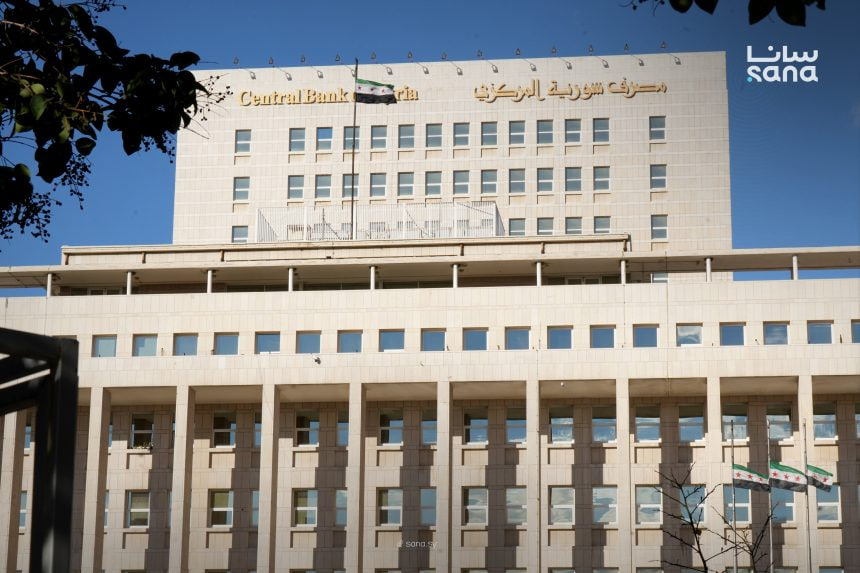
Two Central Bank Decisions
The Central Bank of Syria issued two decisions covering remittances, foreign exchange, and bank financing, announcing them through its official channels on the evening of 26 November 2026. The measures are numbered 807 and 808.
Together they loosen restrictions on how recipients handle foreign-currency transfers and set out a framework for consumer, housing, and business lending by banks operating in Syria.
Holding Remittances in Hard Currency
Under the first decision, beneficiaries of foreign-currency remittances may have the full amount credited to their account in the original currency instead of an automatic conversion to the Syrian pound (SYP). They may withdraw the money as cash in that same currency.
Recipients may also transfer funds abroad or between their own accounts at local banks, keep the balance in foreign currency, or convert it to pounds or another currency at the exchange rate in force on the day of the transaction.
Rules for Companies
For legal entities, the decision regulates trade-related transfers tied to importing and exporting goods and services. It permits resident and non-resident firms to open current and investment accounts to receive foreign investment, and expands banks' buying and selling of foreign currency for legitimate commercial needs.
New Financing Categories
The second decision defines lending categories for banks: personal financing for consumer goods and services, loans for small and micro-enterprises to buy assets and inputs, and housing finance to buy, build, or renovate homes. Each is tied to the borrower's income and capacity to repay.
Banks may also extend credit facilities to commercial, industrial, service, and investment companies, finance imports in pounds or foreign currency with payment made directly to the supplier, and issue guarantees, letters of credit, and bank acceptances.
Controls and Context
The financing rules require lenders to verify repayment capacity, link each loan to its stated purpose, and monitor the use of funds to prevent diversion, with the stated aim of strengthening transparency and governance.
The decisions build on an earlier step, when the bank amended its decision No. 235 of 21 April 2026 to give remittance recipients more choice over how they receive their money.