Scope of the Order
Syria's National Import and Export Committee has barred imports of table eggs and poultry in all forms — fresh, frozen and parts — alongside a wide list of seasonal vegetables and fruits, according to an order published by the General Authority for Land and Sea Ports on Monday, 27 April 2026.
The committee said the prohibition is intended to support domestic producers and align imports with the country's agricultural calendar during peak local harvests.
Vegetable Schedule
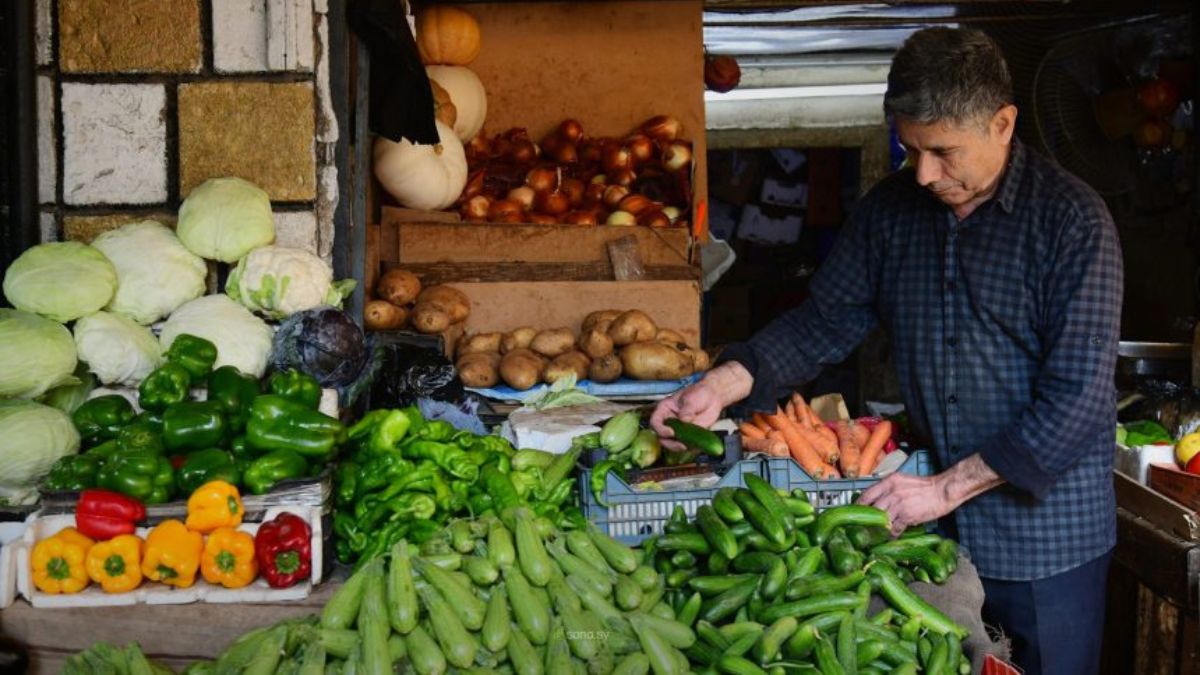
Imports of potatoes, onions, garlic, zucchini, cucumber and Armenian cucumber are blocked from 1 May to 31 October 2026. From 1 June through 31 October, the ban also extends to tomatoes, eggplant, green peppers and watermelons in red and yellow varieties.
The schedule is designed to coincide with the country's spring-to-autumn growing window, when domestic supply is at its highest and farm-gate prices are most exposed to imported competition.
Fruit Schedule
Apricots, plums, cherries and peaches cannot be imported from 1 June to 31 August. From 1 August to 31 October, the ban covers red peppers, figs, grapes, apples and pears. Pomegranates are barred from 1 September to the end of December 2026.
For table eggs and poultry, the order set no expiration date, leaving the prohibition open-ended.
Customs Enforcement
The order instructs the General Customs Directorate to refuse to accept or register any customs declaration that includes the prohibited items, and to take legal action against violators. The decision takes effect from the date of issuance.
It follows similar protective measures issued in December 2025 and July 2025 that targeted overlapping baskets of vegetables, fruits and poultry.
Self-Sufficiency Drive
The committee has framed similar prior decisions as part of a self-sufficiency drive aimed at letting domestic farmers market their crops, supporting the national agricultural sector and ensuring price stability in local markets.
The 2025 rounds covered overlapping baskets of vegetables, fruits and poultry on calendars tied to local harvests, and the present decision largely extends the same approach into the 2026 season.