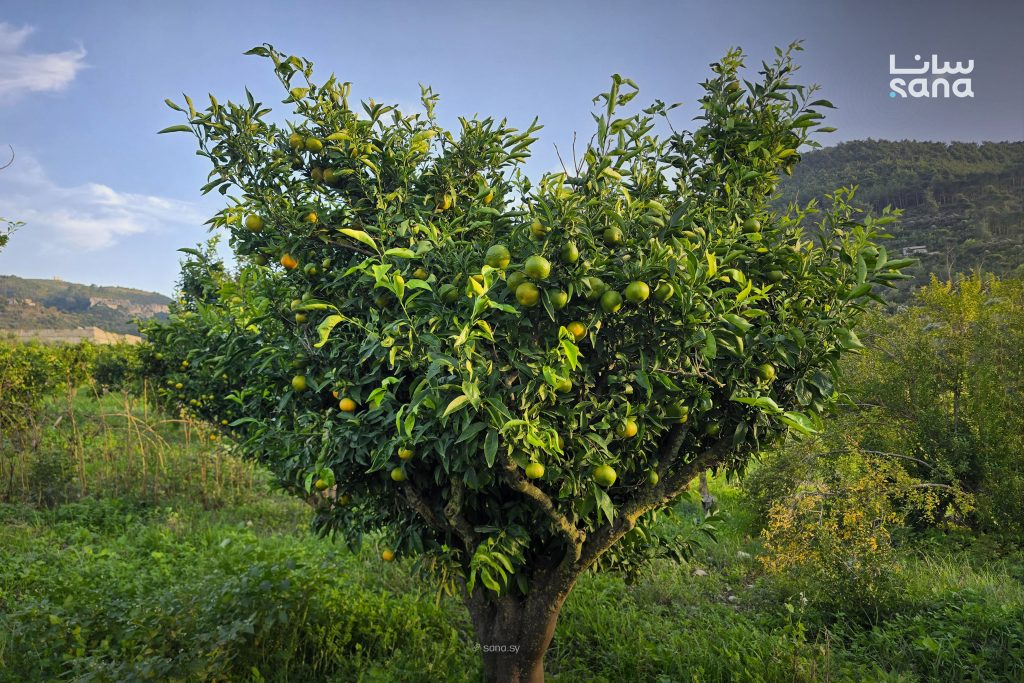
A $588 Million Harvest
Syria's 2026 citrus harvest carries an estimated value of about $588 million in US dollars (USD), according to figures released on 14 November 2026 by the agriculture ministry's citrus office. The economic return reaches roughly 50,000 farming families, alongside workers across sorting, packing, shipping, and local markets.
Initial estimates put output at about 840,000 tons, up roughly 18 percent on the ten-year average. Officials attributed the gain to heavier rainfall in the previous season, which filled reservoirs and secured irrigation through the summer.
Coast Dominates Output
Production is concentrated in the coastal governorates of Latakia and Tartus, at 639,000 tons and 201,000 tons respectively. Other provinces account for no more than 1 percent, mostly home cultivation. The cultivated area totals about 41,000 hectares, nearly all along the coast.
By variety, oranges lead at about 517,000 tons, followed by mandarins at 161,000 tons, sour lemons at 126,000 tons, and citron and pomelo at 36,000 tons. Output in 2025 was roughly 688,000 tons.
Imports Halted
Authorities have moved to halt citrus imports, a step framed as protecting domestic growers now that local output can meet demand. Officials said Syrian production covers the market from September 2026 through the end of April 2027, with a surplus available for export.
An agricultural expert called the import decision sound, questioning the value of bringing in produce that is grown locally and urging priority for the national crop.
Thin Margins, Weak Exports
Current prices cover production costs, but farmer profit margins remain low. The sector faces weak export activity, a limited number of sorting and packing centers, and high fuel and transport costs that officials say constrain how much fruit can be prepared to export standards.
Early harvesting before fruit ripens was flagged as hurting quality and consumer acceptance, particularly for sour lemons marketed before reaching an acceptable juice content.
Toward Processing
Proposals center on contract farming, a larger private-sector role in marketing, and automation of wholesale markets to track prices accurately. Work is under way with the UN Food and Agriculture Organization (FAO) to activate accreditation programs that would standardize quality for targeted markets.
Experts pressed for processing industries, such as drying lemons and oranges and extracting oils from peels for pharmaceutical and industrial use, to absorb surplus and convert a perishable seasonal crop into storable, exportable goods.