Riyadh's $1.5 Billion Pledge
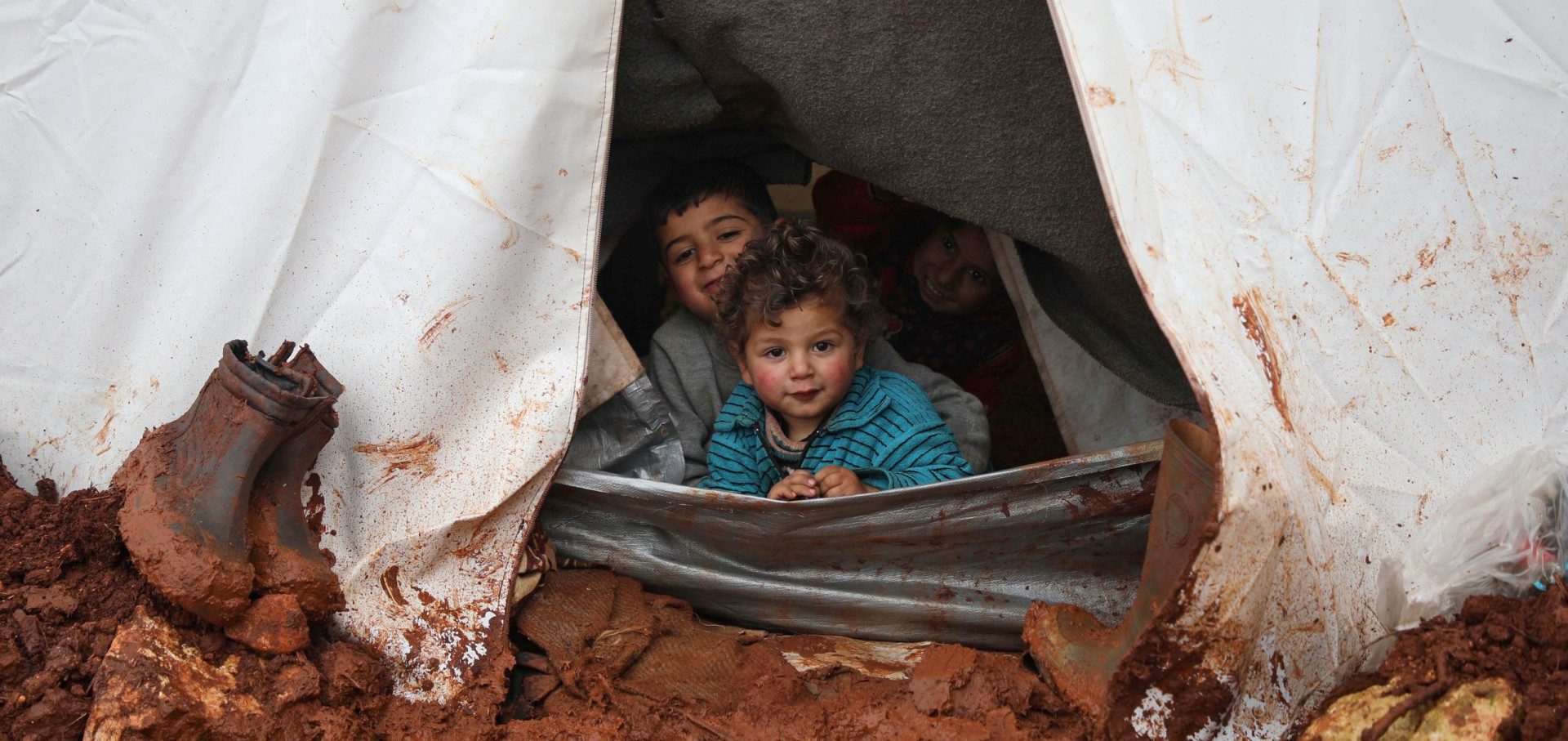
Saudi Arabia has committed $1.5 billion in financial support to Syria's "Without Camps" initiative, a returns program coordinated by Syrian government ministries. Muhammad Bathaish, head of United Nations cooperation at the Syrian foreign ministry, disclosed the pledge during a Damascus coordination workshop on 13 May 2026.
The figure is one of the largest publicly announced bilateral commitments to Syria's post-war recovery and is intended to anchor rehabilitation work in provinces of return, including Aleppo, Hama, and Idlib.
Workshop and Decree 59
The session was convened jointly by Syria's ministry of emergency and disaster management and the UN High Commissioner for Refugees at the Royal Semiramis Hotel in Damascus, bringing together government bodies, UN agencies, and donor representatives.
The initiative operates under Presidential Decree No. 59 of 2026, issued on 8 March 2026, which established an interministerial committee to oversee infrastructure rehabilitation in war-damaged areas and to prepare them for the voluntary return of displaced residents.
The Reconstruction Bill
Estimates compiled by United Nations bodies and the Carnegie Middle East Center put the cost of rebuilding Syria's economy at between $250 billion and $400 billion, with some assessments exceeding $800 billion. The World Bank has identified infrastructure as the most damaged sector, accounting for 48 percent of total losses, or roughly $108 billion.
Against that backdrop, the Saudi pledge covers a small share of headline needs, but officials at the workshop presented it as a catalytic deposit meant to unlock additional commitments.
Donors and the 2026-2027 Cycle
The Syrian government is engaging the European Union and additional donor states on support mechanisms for the 2026-2027 cycle. Bathaish described the objective as "translating ambition into practical support that enables displaced people to return voluntarily."
Officials at the meeting framed the Saudi contribution as a template for follow-on pledges, stressing that infrastructure rehabilitation must precede large-scale return movements.
Humanitarian Backdrop
UN figures cited during the workshop indicate that more than 16.7 million people inside Syria require humanitarian assistance and that roughly 90 percent of the population lives below the poverty line.
With the Syrian pound (SYP) trading near 13,760 to the US dollar (USD), the prospect of dollar-denominated reconstruction inflows is among the few near-term variables that could ease pressure on the currency and on household budgets in the second half of 2026.