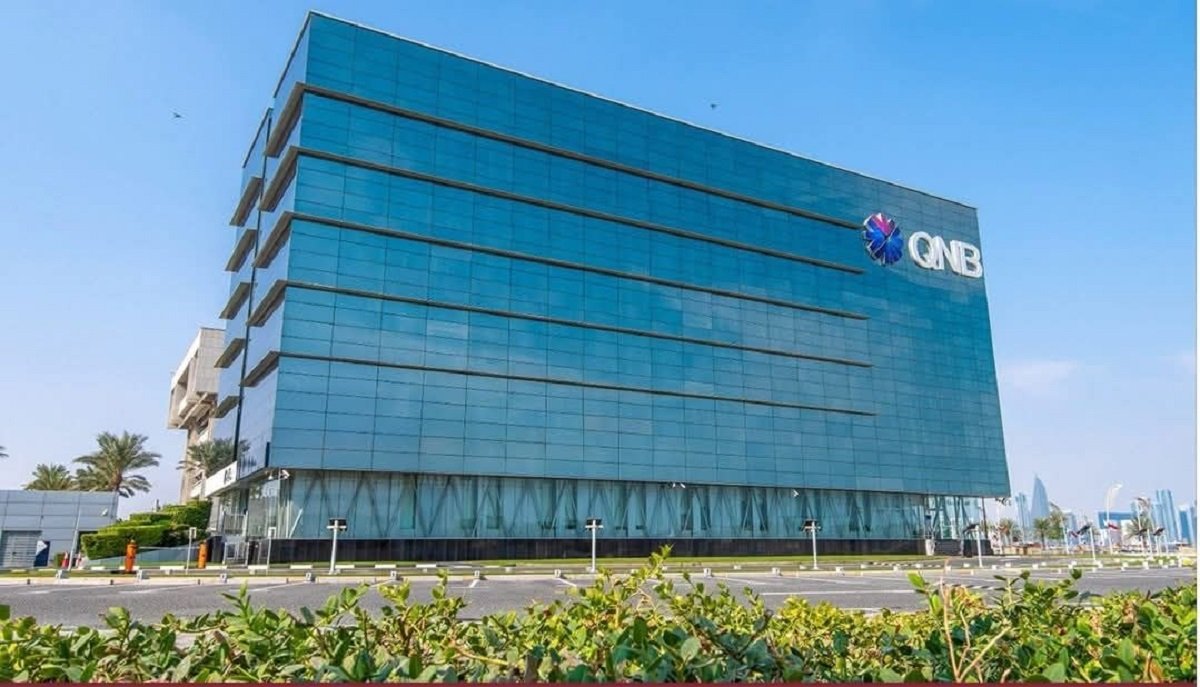
A New Payments Partnership
QNB Group and Mastercard signed a partnership on 21 May 2026 to support the infrastructure needed to accept international payments in Syria. The arrangement was described as among the most significant financial and technical moves in the country in recent months.
The partnership targets the systems that allow foreign payment cards to be used inside the Syrian market. The project is described as paving the way for the first foreign-card payment transactions carried out inside the country, a capability not previously available to consumers and merchants there.
Cards, E-Commerce and Soft POS
The two parties plan to develop acceptance systems spanning traditional point-of-sale devices and e-commerce platforms. The plan also covers "soft POS" technology, which allows smartphones and other modern smart devices to accept card payments directly.
The companies said that range is intended to handle both in-person retail and online transactions, supporting payments made through smartphones as well as conventional terminals.
Coordination With the Central Bank
QNB Group and Mastercard said they will work with the Central Bank of Syria so that the new systems meet regulatory, operational, and risk-management requirements.
The companies framed that coordination as a step toward preparing the Syrian financial sector to handle global payment systems.
Connecting to Global Finance
Adel Ali Al-Malki, First Vice President for retail banking at QNB Group, said the partnership supports the development of modern payment services in Syria and broadens the use of international cards in the local market.
Adam Jones, Mastercard's regional president for the western Arab region, said cooperation with QNB Group and the central bank aims to "develop innovative payment solutions and promote financial inclusion." He said the project paves the way for the first foreign-card transactions inside the country.
Opportunities for Businesses
Jones said the move would help link Syrian individuals and companies to the global financial system and open new economic and commercial opportunities. He identified e-commerce and digital services as areas expected to benefit as foreign cards become usable for payments within Syria.
The companies presented the partnership as a way to connect Syrian commerce with international payment networks.