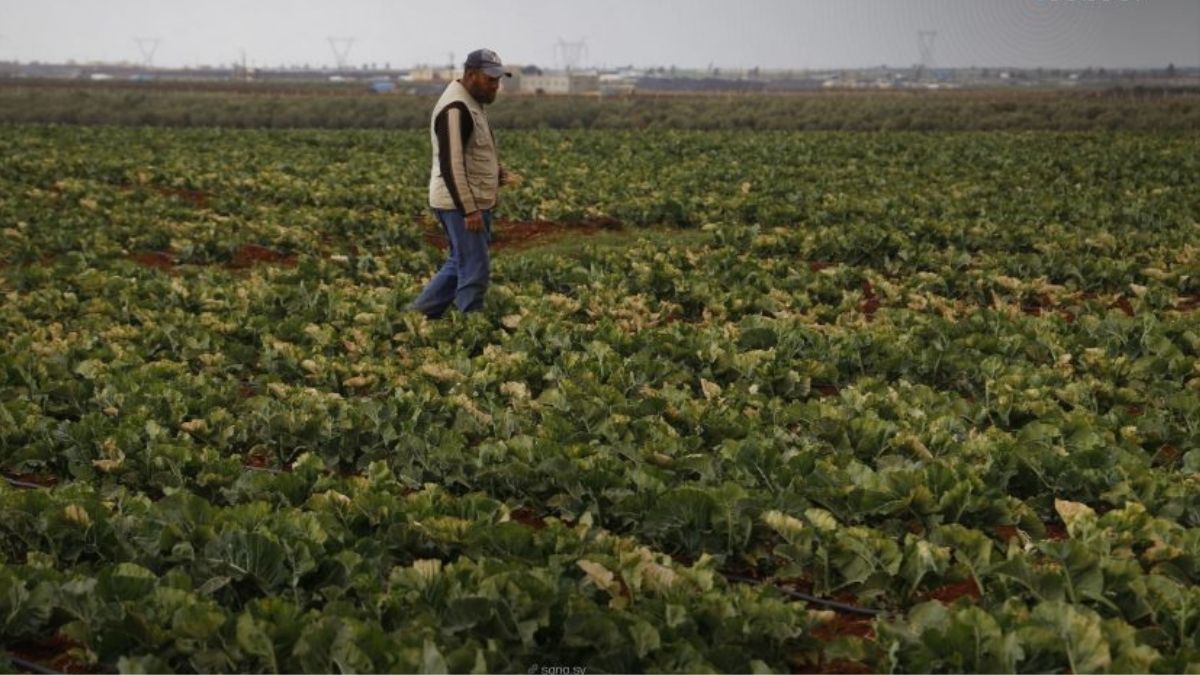
Aid Package Lands in Northeast Syria
The Food and Agriculture Organization launched a US$5 million (USD) emergency project on 4 May 2026 to support farmers and livestock herders battered by drought in northeastern Syria. The funding is being routed through the Syria Humanitarian Financing Fund.
The intervention covers the provinces of Hasaka, Raqqa, and Deir ez-Zor, and is designed to reach 17,300 households with an estimated total of 103,800 individuals benefiting from the rollout.
What Reaches Whom
Of the targeted households, 12,800 livestock-owning families are slated to receive a combined 6,400 metric tons of animal feed. A further 4,500 farming families are to receive emergency packages of seeds and organic fertilizer.
The agency framed the operation as a window to keep producers on the land before they are forced to sell what remains in their hands.
Drought Turns Structural
The FAO representative in Syria, Piero Tomasso Perry, described the project as an "urgent, life-saving response" to severe hardships hitting rural families. The agency cited a drought it characterized as the worst in roughly forty years, alongside deteriorating irrigation infrastructure and rising costs of agricultural inputs.
Together, those pressures have pushed food insecurity in the targeted provinces from a seasonal swing into a structural condition, according to the agency.
Animal Feed at the Center
The breakdown skews heavily toward livestock support: 6,400 metric tons of feed across 12,800 herding families works out to roughly 500 kilograms per family on average. Combined with seed-and-fertilizer kits for 4,500 farming families, the rollout signals a parallel response to drought stress on both crop production and animal husbandry.
Funding Channel
The choice to disburse through the Syria Humanitarian Financing Fund rather than a stand-alone bilateral grant signals continued reliance on pooled multilateral aid for Syria's rural recovery, even as discussions around larger reconstruction financing advance separately.
For households on the receiving end, the practical question is whether the feed bags and seed kits arrive in time for the next agricultural cycle.