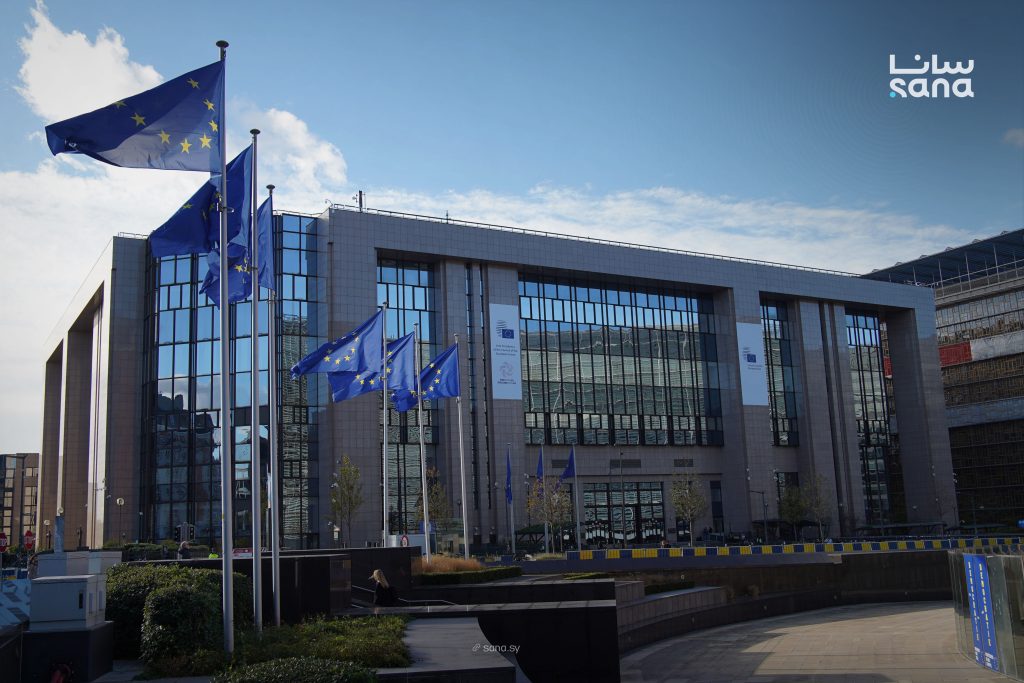
EU Moves to Upgrade Syria Ties
European Union foreign ministers agreed in Brussels on 16 November 2026 to revive a long-dormant association agreement with Syria, a step the bloc framed as a foundation for trade, political dialogue, and closer cooperation. The decision revives economic and political ties that had been frozen for years and signals a shift toward deeper engagement with Damascus.
The bloc's top diplomat for foreign affairs and security policy said the Union had proposed raising the level of its relations with Syria, pointing to the country's need for investment and sustained support to rebuild its institutions and press ahead with reforms.
A 2008 Framework Revived
Officials said an association agreement first drafted in 2008 would serve as the working framework while a modernized version is negotiated. The arrangement is intended to structure trade and political ties that had been suspended for more than a decade.
"Syria needs investment and a successful transition," the bloc's foreign policy chief said, describing the agreement as part of a broader effort to normalize relations with Damascus less than two years after the removal of the previous president.
Reconstruction and Refugees
The discussions linked economic engagement to the return of Syrian refugees from Europe. The bloc said it wants the conditions that would allow citizens to go home, while Syrian officials have cast their return as essential to rebuilding the country and supplying the labor reconstruction will require.
The European diplomat said a visit to Syria a month earlier had shown her the scale of the destruction, and that stability in the country served the interests of both the Union and the wider region. She described it as positive that Syria had so far stayed out of the conflict underway in the region.
What Comes Next
President Ahmad al-Sharaa received the bloc's foreign policy chief on 29 September 2026 for talks on relations between Syria and the Union, developments in the region, and ways to widen cooperation in support of stability, reconstruction, and development. The revived agreement still requires negotiation of its updated terms before it can take effect, leaving the timing of any trade or investment benefits uncertain.