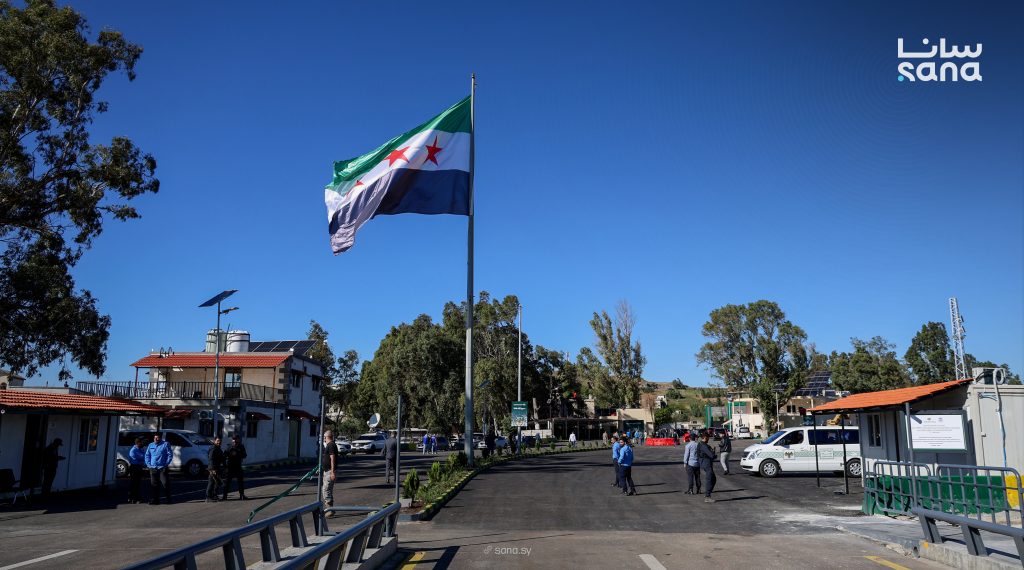
Crossing Back in Service
Syria reopened the Dboussiyeh border crossing in the Homs countryside on 9 November 2026, restoring a direct road link with Lebanon for both passengers and commercial trucks. The crossing resumed operations in both directions and now runs 24 hours a day.
The gate had operated before but was halted after Israeli attacks in the surrounding area. Rehabilitation work began in August 2025 and included rebuilding the bridge that connects the two countries, restoring administrative and service buildings, and enlarging the cargo yards and passenger halls.
A Larger Footprint
Officials said the reopened crossing covers an area more than seven times its earlier size. The arrivals hall now has 16 processing booths and the departures hall has 10, a layout intended to speed inspections for travelers and freight alike.
The documents required to cross vary by nationality under procedures agreed between Syria and Lebanon. Staffing the expanded halls around the clock is meant to keep traffic moving at all hours rather than concentrating it in a short daytime window.
Easing Border Pressure
The border and customs authority said the reopening is intended to relieve congestion at Syria's other crossings with Lebanon and to increase the flow of trucks and goods in both directions. A separate crossing at Qamar Bridge in Homs was reopened in May 2026 as an additional route between the two countries.
Spreading traffic across more open gates can shorten waiting times for freight, a practical factor in the cost of moving goods across the border.
Funding and Returns
The European Union co-financed the project, concentrated mainly on the Syrian side, as part of a program supporting the return of refugees and displaced Syrians. The International Organization for Migration carried out the work.
For families divided between the two countries, the shorter route cuts hours from trips to visit relatives and move goods, and the added capacity gives traders a steadier channel for cross-border commerce.