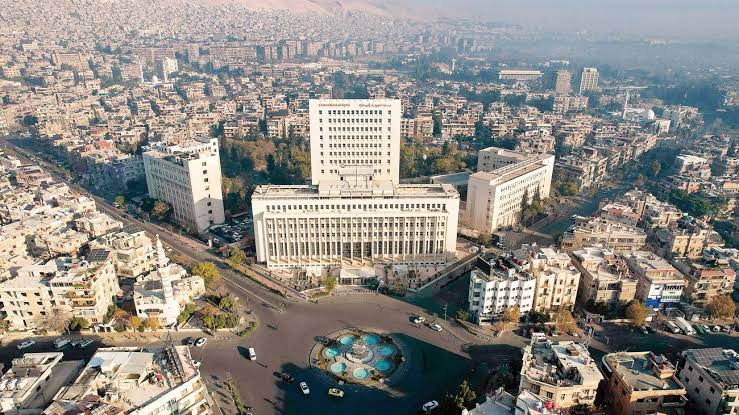
Central Bank of Syria Executes First Letter of Credit in 14 Years for Saudi Aramco Oil Deal
The Central Bank of Syria announced the execution of its first letter of credit in 14 years, issued in favor of the Syrian Petroleum Company as part of a deal to import petroleum products from Saudi Aramco, in coordination with a major U.S. bank.
This step is considered one of the most significant banking developments related to financing Syria's foreign trade in recent years. In practical terms, it means using an official banking channel to finance and settle a strategic import deal, after many years in which numerous supply operations relied on alternative arrangements due to the restrictions faced by the Syrian banking sector.
A New Banking Route for Oil Supplies
According to the Central Bank's statement, the deal reflects the expanding scope of commercial transactions supported by official banking channels and opens a new route for securing oil supplies to Syria through direct commercial and banking arrangements.
The bank explained that the letter of credit issued in favor of the Syrian Petroleum Company provides the banking instrument needed to execute the deal and helps organize the financing and settlement mechanism for the import of petroleum products.
A letter of credit is a banking mechanism widely used in international trade, whereby the bank guarantees payment to the supplier according to specified terms and documents, increasing trust between the two parties and reducing the risks of executing large commercial transactions.
Significance Beyond the Deal Itself
The Central Bank of Syria noted that the importance of this step is not limited to the petroleum supply deal, but extends to preparing the banking channels needed to finance strategic trade more broadly.
According to the bank, developing these channels would support the regularity of supplies, facilitate the execution of commercial operations through the formal banking system, and enhance the reliability of financing and settlement for foreign purchases.
The operation also reflects the ability of Syrian institutions to meet part of their strategic needs through organized banking arrangements, rather than relying on more complex payment or settlement methods.
Coordination with a U.S. Bank
One of the most notable aspects of the announcement is that the operation was carried out in coordination with a major U.S. bank, though the Central Bank of Syria did not disclose the bank's name.
This aspect gives the deal added significance, as it indicates the existence of banking channels capable of handling Syrian commercial transactions within official frameworks, albeit within a limited scope and in deals subject to clear banking arrangements.
The execution of a single transaction does not necessarily mean a full restoration of Syria's banking relations with international banks. However, its success could serve as a model to build on for future deals, particularly in sectors related to basic commodities, energy, and strategic trade.
Securing the Needs of the Local Market
The Central Bank said it is working in coordination with the Syrian Petroleum Company to develop the financial and documentary arrangements needed to facilitate upcoming supply operations.
It added that these arrangements aim to support the continuity of oil supplies and meet the needs of the local market, while strengthening the ability of national institutions to manage their strategic purchases through organized and reliable banking channels.
This comes at a time when petroleum derivatives represent one of the most important components of Syria's import bill, given their direct link to the transport, industry, energy, and electricity generation sectors, as well as economic activity in general.
What Could This Step Mean for the Future?
If this mechanism expands to include additional deals, it could help increase the share of foreign trade financed through official banking channels, particularly in large import operations.
Expanding this type of financing would provide Syrian companies and institutions with more organized means of making their external payments, and could reduce the need for some of the indirect settlement methods used in recent years.
Nevertheless, assessing the broader impact of this step remains dependent on how often it is repeated, the volume of deals executed through banking channels, and the possibility of extending its use to other sectors and commodities in the coming period.